
Shopify Product Images vs Etsy Listing Images (2026)
Shopify gives a merchant control over the storefront; Etsy puts the product inside a search grid shaped by handmade trust and thumbnail competition. This comparison shows where the same product needs different images, crops and proof.
AISellerKit Editorial Team · Reviewed by Commerce Strategy Team · Updated Jul 3, 2026
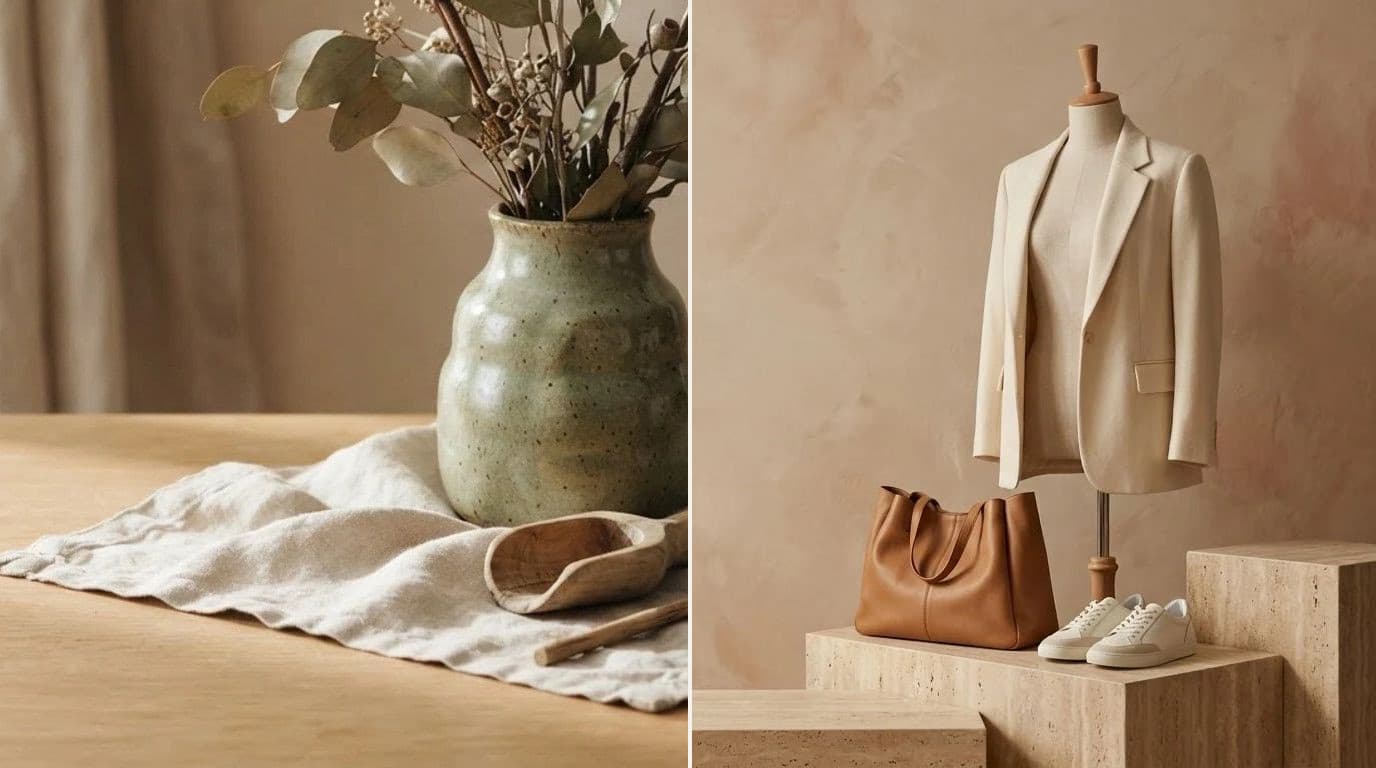
Production and review workflow
The shopper arrives differently
A Shopify visitor usually arrives from a brand ad, collection page or product page the merchant controls, so the image sequence can carry a deliberate brand narrative. An Etsy shopper is scanning a search grid of competing handmade and niche listings, often on a phone, and decides whether to click from one thumbnail. Shopify rewards a coherent brand system; Etsy rewards immediate product recognition plus a reason to trust the maker.
Crops, ratios and the first image
Shopify themes crop product media into their own grid, gallery and hero slots, so export above the display size and check the theme's actual crop. Etsy's listing grid and detail view favor a strong square or near-square lead image, with supporting images carrying scale, process, packaging and use. The same master can serve both, but the first image must be reframed for each surface rather than copied without checking the crop.
Storytelling: brand world versus maker proof
On Shopify, lifestyle images, campaign color and collection art can build a brand world around the product. On Etsy, the buyer wants to know who made it, what it is made of, how large it is and what arrives in the box. Process shots, material close-ups, scale references and packaging images do more work than an abstract campaign scene. Copy the brand mood into Etsy only after the product and maker evidence are clear.
SEO, alt text and image naming
Both channels index images and product pages, but the surrounding text differs. Use descriptive file names, accurate alt text and image copy that matches the listing title and materials. On Shopify, image metadata supports collection and product search; on Etsy, tags, title and attributes carry more ranking weight, while the image must still earn the click. Never stuff keywords into alt text or overlay text that repeats the title.
A shared production workflow
Build one master image set from the SKU: a clean product view, scale, material detail, contents, lifestyle and packaging. Then create channel variants: Shopify crops for theme slots and collection cards; Etsy first image plus process and maker frames. Keep the approved master and channel exports together so a new colorway does not restart art direction. Review each channel separately because the first image, text policy and shopper question are different.
FAQ
Can I use the same product images on Shopify and Etsy?
Use the same master set, but reframe the first image and supporting sequence for each channel. Shopify theme crops and Etsy grid recognition create different constraints.
What should an Etsy lead image show?
Immediate product recognition plus enough context to signal handmade quality. Keep the product large in the frame and save process, scale and packaging for supporting images.
How do Shopify image requirements differ?
Shopify is theme-driven: check the collection grid, gallery and hero crops, and export above the displayed size. Etsy's constraints come from its search grid and listing layout.
Does alt text matter on both channels?
Yes, but the surrounding ranking signals differ. Use accurate descriptive alt text and file names on both, and align Etsy tags and attributes with the listing rather than stuffing the image metadata.
Can AI generate images for both channels?
It can generate supporting scenes and crops, but product accuracy, scale, materials and channel-specific requirements must be checked against the physical product before publishing.
Official sources
- Shopify Help — product mediaChecked 2026-11-13
- Etsy Help — listing photosChecked 2026-11-13
- Google Search Central — image best practicesChecked 2026-11-13
Checked before publishing. Confirm the current requirements on the destination platform before a batch upload.
Related resources
Etsy Listing Image vs Walmart Marketplace Image (2026)
Compare Etsy listing images and Walmart marketplace images: handmade proof, value and scale, main-image conventions and the review each channel needs.
Shopify PDP Image vs Marketplace Listing Image (2026)
Compare Shopify product-page images with marketplace listing images: shopper intent, theme crops, grid recognition and the review each surface needs.
Amazon Main Image vs A+ Content Images (2026)
Compare Amazon main images and A+ Content images: compliance, buyer role, storytelling and the workflow that keeps both accurate.
Amazon Main Image vs Lifestyle Image (2026)
Compare the Amazon main image and lifestyle images: compliance, buyer questions, thumbnail recognition and a workflow that keeps both accurate.
Resource center
A central entry point for guides, examples, templates, industry pages, and channel hubs.
E-commerce video
Alongside product-image workflows, AISellerKit supports e-commerce video generation from a product start image and a short creative direction. It helps teams explore product motion for PDP heroes, short-form ads, and social previews, while keeping task history in the same account workspace. Teams must review every result for product accuracy and channel compliance before publishing.
Industry pages
Explore category-specific workflows for beauty, electronics, home, pet, and more.
Examples
Inspect public examples for detail pages, hero visuals, and marketplace sets.
Templates
Use reusable prompt and workflow templates for production tasks.