
Beauty and Cosmetics Industry Product Image System (2026)
Beauty imagery is evidence about shade, texture and claims. This industry guide covers the operating system behind a cosmetics launch: color accuracy, swatches, label proof, channel variants and the review that keeps claims defensible.
AISellerKit Editorial Team · Reviewed by Commerce Strategy Team · Updated Jul 3, 2026
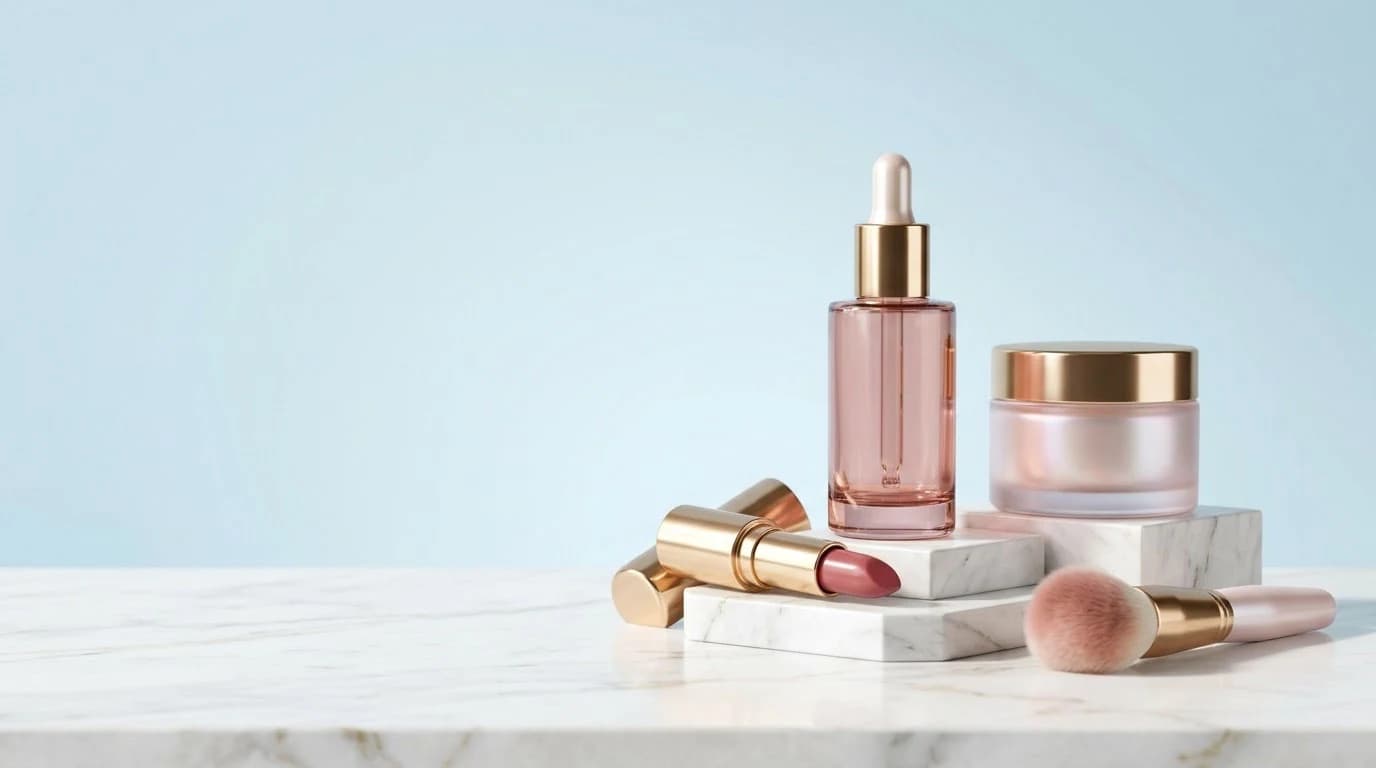
Production and review workflow
The industry problem: shade and texture are the product
A foundation or lipstick cannot be sold on a pretty bottle alone. The buyer needs to judge shade, finish, coverage, texture and how the product wears on skin. A pack shot answers recognition; a swatch or texture macro answers the purchase question. Build every beauty set around color accuracy and texture evidence, then use lifestyle imagery to establish desire. Returns and reviews punish shade mismatch faster than almost any other beauty failure.
Color accuracy is an operating discipline
Use color-balanced light, a neutral reference in frame and an sRGB export. Compare the final file with the physical unit on more than one screen. Do not global-brighten an image to make the shade look more flattering, because that shifts the product. Keep the same lighting and background across a shade family so the buyer can compare. For complexion products, show swatches on more than one skin tone where the range serves them.
Labels, claims and regulated proof
Beauty packaging carries ingredients, net weight, usage warnings, batch or expiry data and claims such as SPF, cruelty-free or dermatologist-tested. Keep one image where the label is readable, and do not retouch or invent text. Every claim in the image must match the approved packaging and substantiation for the destination market. Marketplace main-image rules still apply, so check the channel before adding badges or overlays.
Launch set and channel variants
A launch set usually needs a pack hero, shade or texture macro, swatch, scale, label view and one lifestyle scene. Derive marketplace, DTC and social variants from the same approved master rather than shooting each channel separately. Social commerce needs a strong vertical first frame, while a marketplace grid needs immediate product recognition. Keep the shade and label consistent across every crop.
Review, returns and claim safety
Review the set against the physical unit, the approved claims and the destination channel. Track shade-related returns, swatch complaints and support questions about coverage or finish. If the same question repeats, add a frame rather than writing a longer description. For SPF or treatment claims, keep the image copy conservative and let the approved label carry the regulated language.
FAQ
What images does a beauty launch need?
A true-color pack hero, shade or texture macro, swatch on representative skin, scale reference, legible label view and one lifestyle scene, then channel-specific crops.
How do I keep foundation shades accurate?
Use balanced light, a neutral reference, sRGB export and a comparison against the physical unit. Do not global-brighten the image or edit every shade into the same tone.
Can I retouch labels or claims?
Do not remove or invent label text. Verify every claim against approved packaging and substantiation, and keep the wording consistent across the image and listing.
Should swatches show more than one skin tone?
When the shade range serves multiple skin tones, yes. Multiple swatches reduce uncertainty and returns without changing the product.
Can AI generate beauty industry images?
It can generate supporting scenes and texture directions, but shade, finish, labels and claims must be verified against the physical product before publishing.
Official sources
- Amazon Seller Central — product image requirementsChecked 2026-11-13
- Shopify Help — product mediaChecked 2026-11-13
- Google Search Central — image best practicesChecked 2026-11-13
Checked before publishing. Confirm the current requirements on the destination platform before a batch upload.
Related resources
Beauty and Cosmetics Product Image Guide (2026)
How to photograph beauty products so shade, texture, packaging and label claims stay accurate across marketplace and storefront images.
Baby and Kids Product Image Guide (2026)
How to photograph baby and children's products so age grading, safety features, materials and sizing are accurate across storefront and marketplace images.
Bag and Luggage Product Image Guide (2026)
How to photograph bags and luggage so capacity, dimensions, hardware, materials and carry-on compliance are clear across storefront and marketplace images.
Coffee and Tea Product Image Guide (2026)
How to photograph coffee and tea so origin, roast, grind, brew method, freshness and weight are accurate across storefront and marketplace images.
Resource center
A central entry point for guides, examples, templates, industry pages, and channel hubs.
E-commerce video
Alongside product-image workflows, AISellerKit supports e-commerce video generation from a product start image and a short creative direction. It helps teams explore product motion for PDP heroes, short-form ads, and social previews, while keeping task history in the same account workspace. Teams must review every result for product accuracy and channel compliance before publishing.
Industry pages
Explore category-specific workflows for beauty, electronics, home, pet, and more.
Examples
Inspect public examples for detail pages, hero visuals, and marketplace sets.
Templates
Use reusable prompt and workflow templates for production tasks.